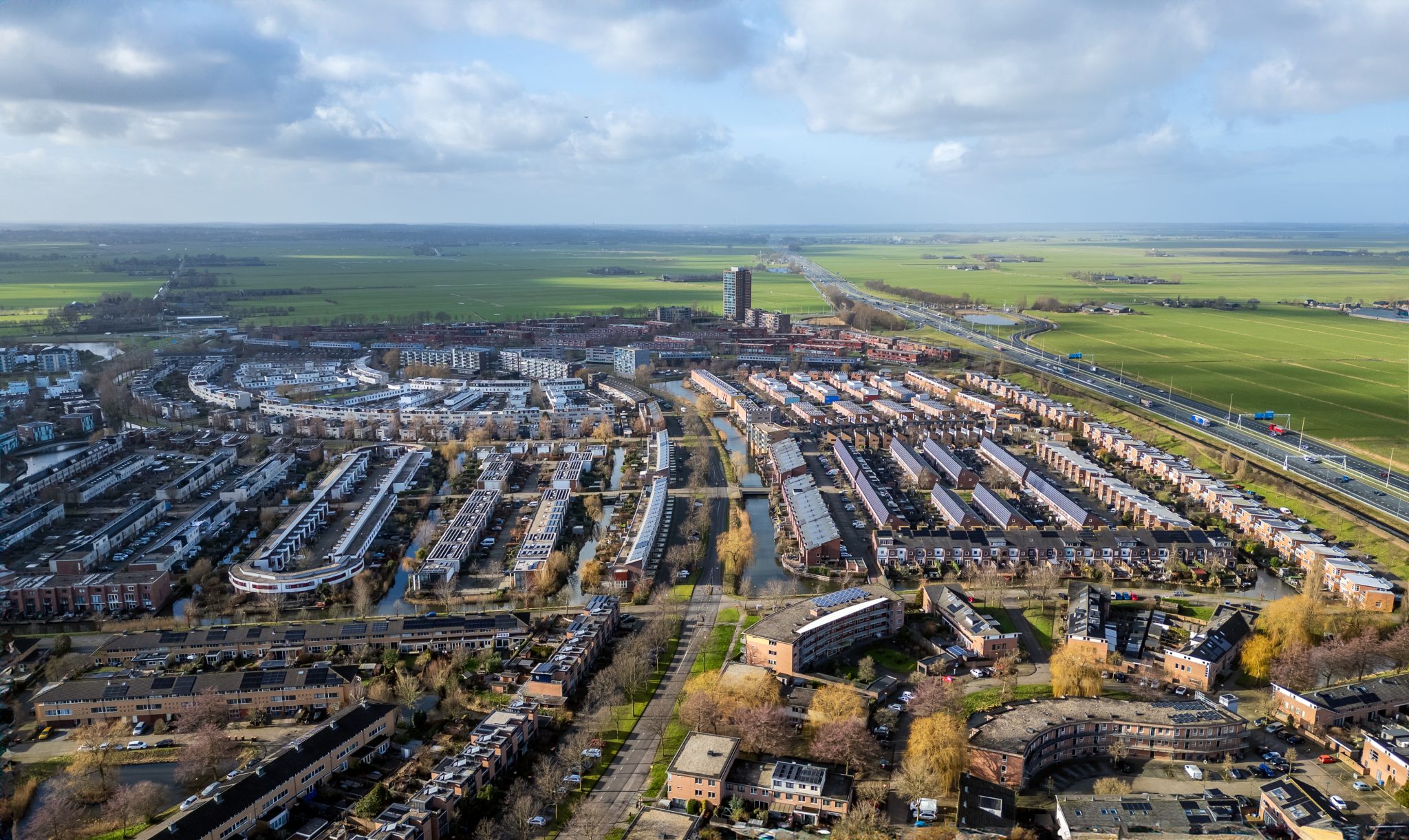
The rental and owner-occupied housing markets in the Netherlands each followed their own dynamics in 2025, but both remained under pressure. The rental market was strongly characterised by individual sales of rental homes, leading to a decline in supply, particularly in the mid-rental segment. In the owner-occupied market, conditions remained tight despite a broader supply, resulting in continued price increases. At the same time, the wider supply created more opportunities for first-time buyers and led to a higher number of transactions.
Rental and owner-occupied market
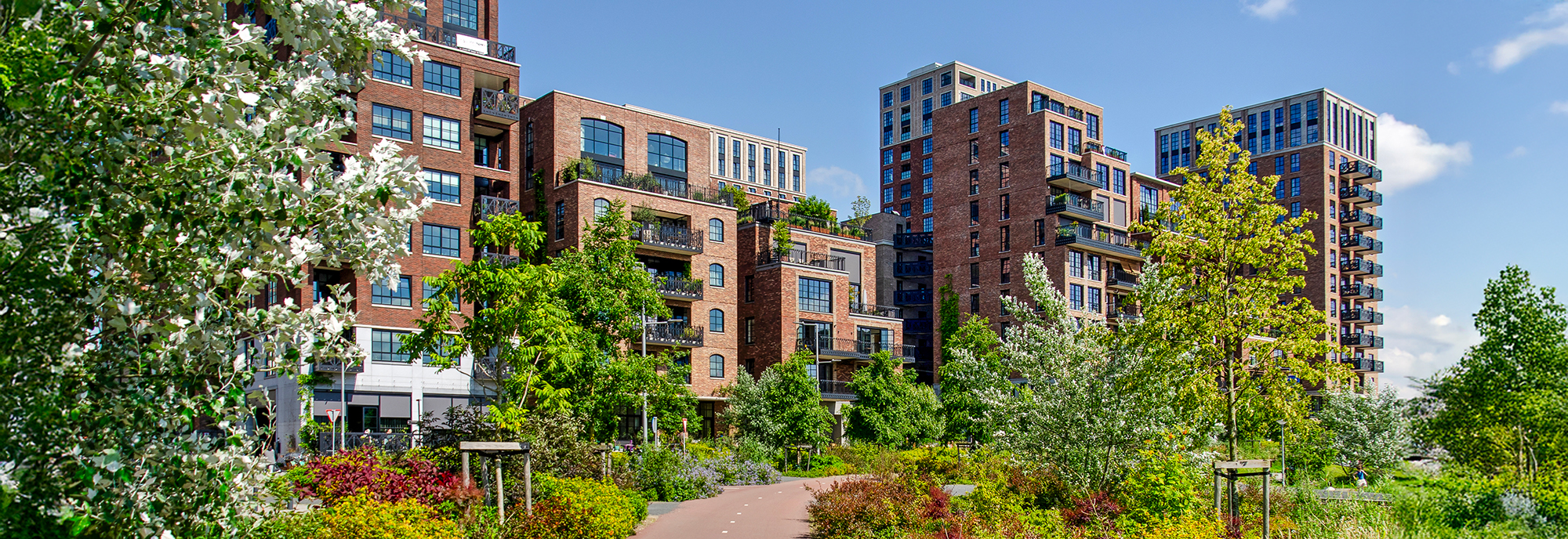
Housing situation Dutch households in 2026
Over 38% lives in a rental home
In 2026, just over 38% of households in the Netherlands live in rental housing. The largest share consists of social rental housing (30.2%). The shares of households in the mid-rental segment (4.1%) and in the liberalised segment above the mid-rental threshold (4.1%) are roughly equal.
54% lives in an owner-occupied home
A total of 54% of households live in owner-occupied housing. Within this segment, a large group of households owns relatively affordable homes: approximately 2.1 million households live in owner-occupied homes with a WOZ value below €390,000. Around 1.0 million households own homes valued between €390,000 and €495,000, while 1.45 million households live in higher-priced owner-occupied homes valued above €495,000.
Occupied Other Space (OOS)
A group of 633,000 households live in Occupied Other Spaces (OOS). This includes households living with another household, occupying a room with shared facilities, or living in a houseboat or caravan.
Difference in housing situations
A breakdown by age shows that the share of households living in owner-occupied housing is highest from the age of 30 onwards. In the youngest group (under 30), most households live in rental housing, followed by OOS. In the oldest age groups (65 and over), the share of households living in rental housing increases again.
Looking at household composition, the share of owner-occupied homes is particularly high among couples. Single-person households and single-parent households, by contrast, predominantly live in rental housing. Finally, a breakdown by income class shows that higher-income households are more likely to own their home, while lower-income households are more likely to rent. The share of households living in OOS is highest among the lowest income group.
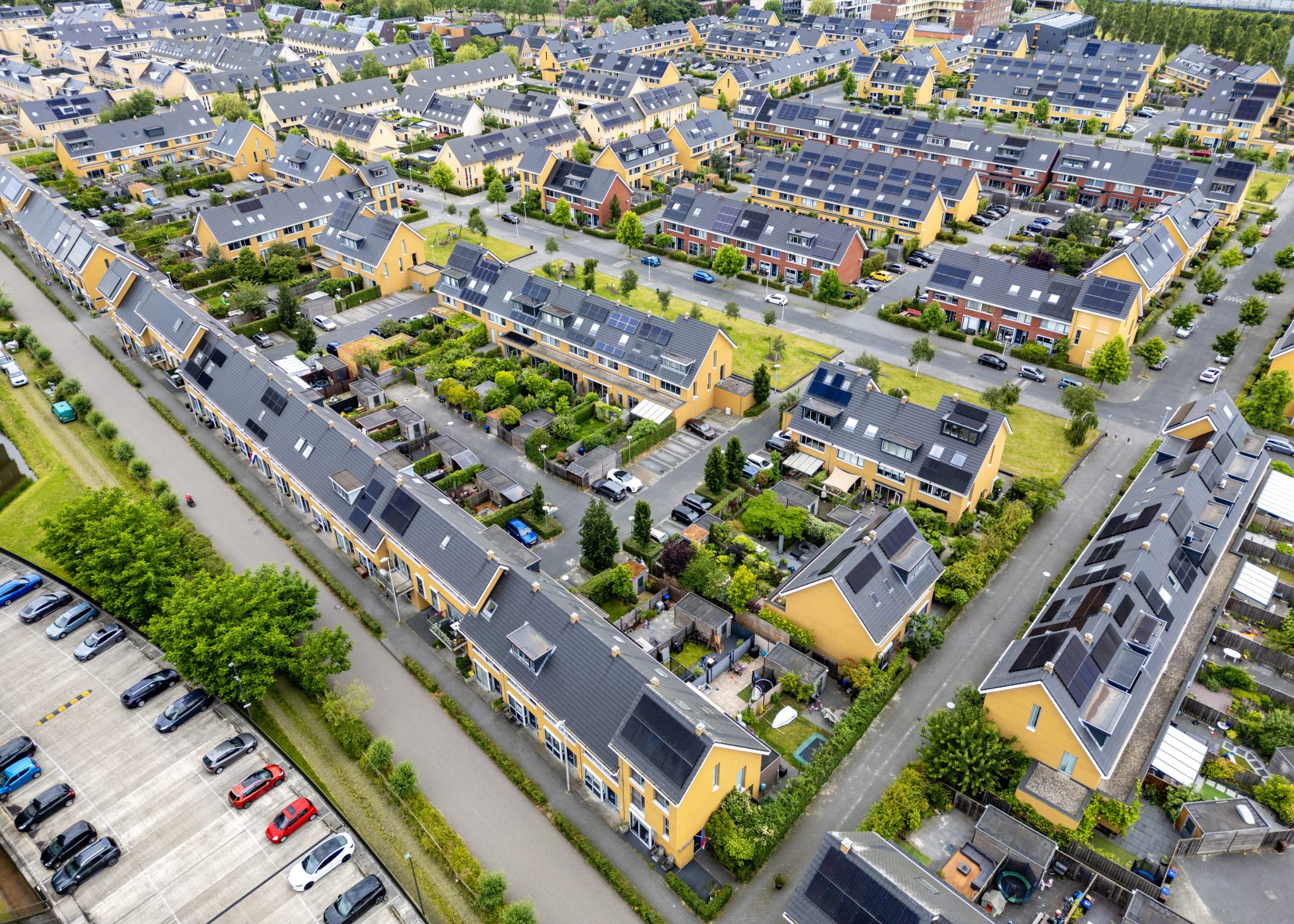
Number of homes sold
More homes sold to younger buyers
The number of homes sold has increased sharply again following the dip in 2023. This is mainly due to a rise in selling of individual units by investors, bringing additional homes onto the owner-occupied market.
The share of purchases by buyers aged 25 to 35 increased in recent years from 38.4% in 2015 to 44.8% in 2025. Within this age group, the majority are first-time buyers, who relatively often benefit from the supply of former individual rental homes sold by investors. These are frequently apartments located in urban areas. In contrast, purchases by buyers aged 45 to 55 have declined, with their share falling by around 5 percentage points—also the largest decline in absolute terms.
In the 35–45 and 55–65 age groups, the number of purchases declined sharply between 2020 and 2023. From 2023 onwards, the number of purchases has increased slightly again.
Strategy individual sales
Investors and housing associations increase individual sales
The number of rental homes owned by investors continues to decline. According to the Land Registry, 26,180 individual rental homes have been sold over the past four quarters. The investors surveyed in this study confirm this trend: investors are increasingly opting for individual sales due to higher tax burdens and lower yields from continued rental operations.
Housing associations participating in the survey are also selling more of their stock. A total of 83% of housing associations that are selling homes do so to free up capital for new investments, while 47% use sales proceeds to finance the sustainability of their portfolios. The expectation is that sell-offs will continue in 2026. More than half of the surveyed investors and housing associations indicate that they plan to sell more homes in the coming years than they have in recent years.
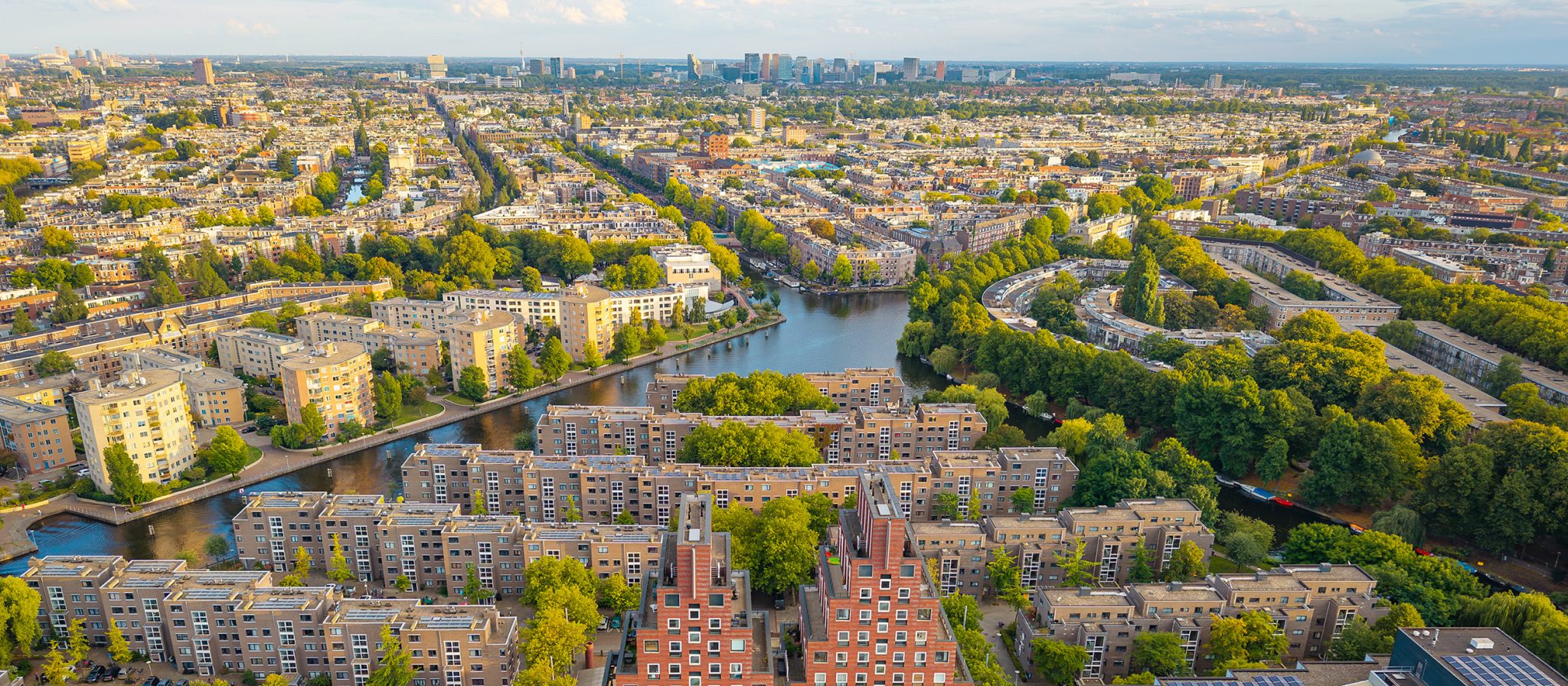
Regional differences
The decline in the rental stock is most pronounced in the major cities. In Amsterdam, the share of homes owned by private investors fell from 7.4% to 6.2%, representing a reduction of approximately 5,000 rental homes. As a result, rental housing supply is shrinking precisely in the most constrained markets, further increasing pressure on urban rental sectors.
Rental supply
Rental supply declining and shifting towards the liberalised segment
Developments in the rental market are also reflected in the composition of rental supply. Since Q3 2024, the supply of rental homes in the Netherlands has remained at a structurally lower level. In Q3 2025, supply was 37% lower than in Q3 2023. This decline is linked to an increase in the number of individual homes being sold, driven by higher tax burdens and lower returns from continued rental operations.
At the same time, the composition of rental supply is shifting. The share of mid-rental homes is declining, while the share of liberalised rental housing is increasing. In Q1 2022, rental supply consisted of 18% mid-rental and 76% liberalised rental housing. By Q3 2025, this had shifted to 12% mid-rental and 83% liberalised rental housing, indicating a further reduction in affordable rental supply.
There is a risk that, due to the substantial shortage of rental housing, affordability in the non-regulated segment will become increasingly strained. At tenant turnover, significant rent increases are expected.
1212
%Share of new-build owner-occupied homes in 2025 Q3
2929
daysaverage sales time in 2025 Q3

Owner-occupied market
Despite broader supply, owner-occupied market remains tight
The ratio between supply and transactions illustrates how tight the owner-occupied housing market remains. With a market ratio of 0.79 in Q3 2025 (supply divided by transactions), the market is considered very tight: more transactions are taking place than there are homes available for sale. At the same time, the number of transactions per quarter is currently at a historically high level. This is largely related to the sale of former rental homes. Only during the peak in 2020 were more transactions recorded.
This is not the first time the owner-occupied market has been tight. The market ratio reached a historic low in Q4 2021 (0.44) during the COVID-19 pandemic. A similarly tight situation occurred in Q2 1999, when the market ratio stood at 0.64. By contrast, the period from 2001 to 2018 showed the opposite picture, with ample supply and relatively few transactions. The market ratio peaked at a historic high of 9.8 in Q1 2013.
Moderation of price growth on owner-occupied market
Prices in the owner-occupied housing market continue to rise, but the pace is slowing. Compared with Q3 2024, prices per square meter for apartments are 6.4% higher, while prices for single-family homes have increased by 6.2%. This points to a moderation in price growth. In Q1 2025, prices for both apartments and single-family homes were still around 10% higher year-on-year. The more moderate growth is linked to the expanding supply in the owner-occupied market, which is easing upward price pressure. That prices continue to rise despite this broader supply underlines that demand for owner-occupied housing remains strong.
Highest transaction prices in Randstad region
Transaction prices per square meter vary significantly by municipality. In Q3 2025, the lowest average price per square meter was recorded in the Limburg municipality of Kerkrade (€2,373), while the highest was in Amsterdam (€8,446). Overall, prices per square meter are highest in municipalities located in the Randstad.
Individuals sales boost value growth for lower energy labels
The higher price per square metre for homes with energy label D in popular areas in mainly driven by location
Individual sales is shifting price pressure toward lower energy labels
Affordability is more important than sustainability for first-time buyers
Price development per square meter
The sale of former rental homes on the owner-occupied market has a visible impact on price developments per square meter, broken down by energy label. Homes with energy labels B, C and D show the strongest price increases. This is partly related to the relatively high price per square meter of label D homes. Since Q1 2025, homes with energy labels E, F and G have also recorded clear price increases. This trend is closely linked to the wave of individual sales: former rental homes often consist of smaller apartments with lower energy labels. Due to continued strong demand for affordable owner-occupied housing, these homes are relatively often purchased by first-time buyers, increasing price pressure in this segment.
Looking ahead to 2040
Expansion of the Dutch housing stock
In the Primos Housing Market 2025 baseline scenario, a total of 1.1 million new-build homes are added between 2026 and 2040. After accounting for demolitions, this results in a net expansion of approximately 972,000 homes. Based on housing preferences and income levels, the greatest need is for homes in the social rental segment and the affordable owner-occupied segment. Social rental housing accounts for 29% of the total new-build requirement. Mid-rental and higher-priced rental housing represent 7% and 6% of the construction task respectively. Affordable owner-occupied housing accounts for 24%, while higher-priced owner-occupied homes make up the remaining 34%.
These proportions are also reflected in housing policy, as proposed in the Strengthening Public Control of Housing Act (Wet Versterking Regie op de Volkshuisvesting). This legislative proposal assumes that 66% of new-build homes should be affordable, of which 30% should be social rental housing. If the share of social rental housing in a given region is higher, up to 40% affordable housing for middle-income households (mid-rental and affordable owner-occupied) may be added. The remaining 33% consists of liberalised rental housing and higher-priced owner-occupied homes within the future construction programme.
Investors focus on rental and owner-occupied market outlook
Investors are closely monitoring expected new-build volumes and price developments in both the rental and owner-occupied housing markets. All institutional investors and 80% of private investors attribute a positive or very positive role to rental and owner-occupied price developments for the investment climate up to 2040. With regard to further house price growth, forecasts are available from institutions such as De Nederlandsche Bank (DNB), which projects growth of 4% in both 2026 and 2027. Dutch investors are slightly more optimistic, expecting around 5% growth in 2026 and cumulative growth of over 8% up to 2027. Developers and international investors are somewhat more cautious for the period up to 2027, with an expected growth rate of around 6%.